
PACKAGING SOLUTIONS
Corrugated Cardboard Types
Packaging suitable for your product.
SPECIAL FOR YOUR PRODUCT
Protection starts in the detail.
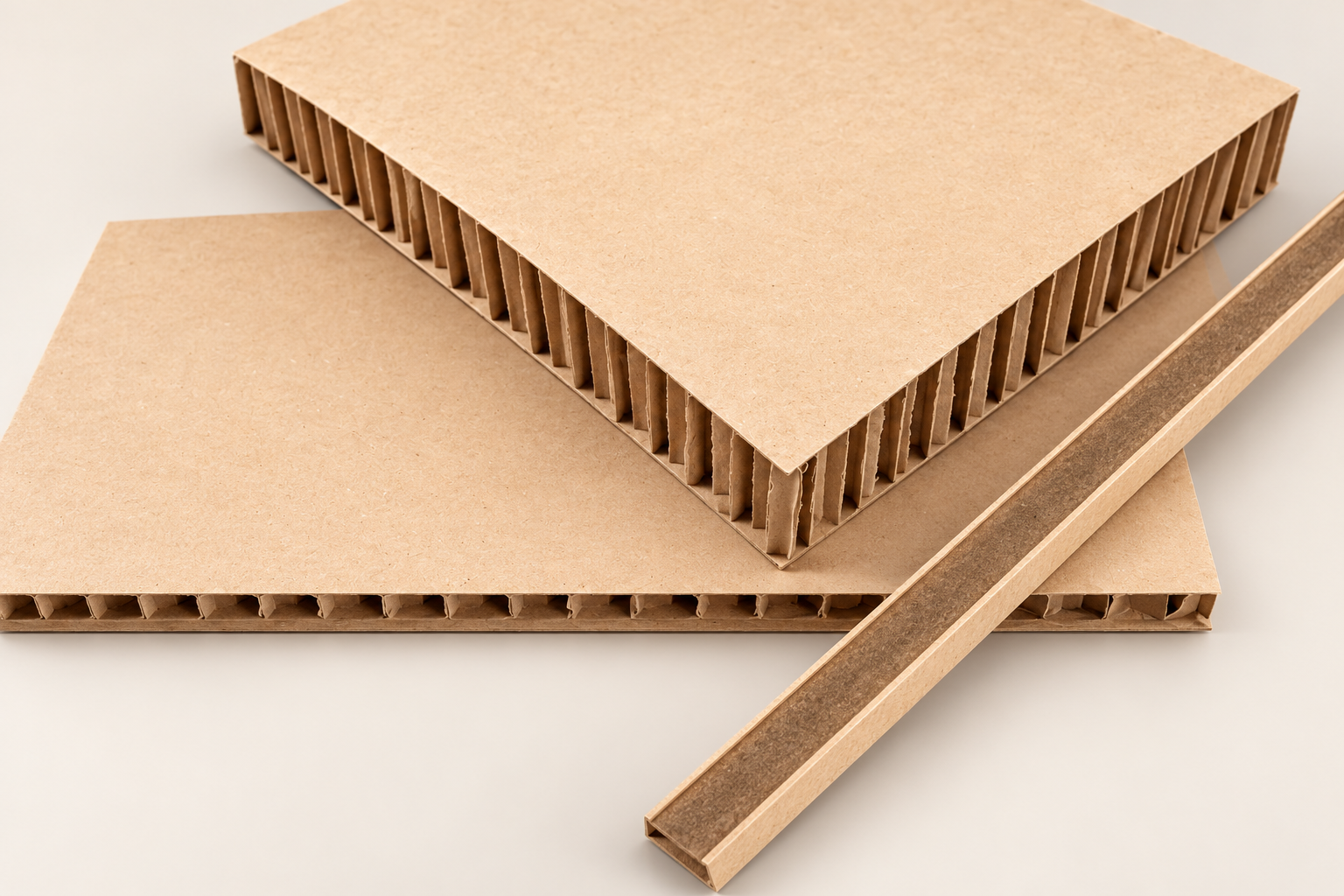
Corrugated cardboard adds strength to the packaging thanks to the wavy structure between layers of plain paper. Appropriate wave and layer selection; It is made according to product weight, stacking, transportation and printing needs.
- Dimension and material evaluation
- Production planning in accordance with the design
- Direct contact for quote and delivery
Measurement, internal support, testing and performance requirements are determined on a project basis.
Let's talk about this productKNOW THE MATERIAL
Corrugated cardboard wave types
Single flute B, C and E and double flute EB and BC options meet different conveying and printing needs. The final selection is made together with the product and packaging design.
| wave | structure | Featured feature |
|---|---|---|
| B. | single groove | Frequent groove structure; surface crush resistance and printing applications. |
| C. | single groove | An option that combines bearing strength and printing needs. |
| E. | single groove | Thin and light structure; detailed printing and box applications. |
| E.B. | double groove | Combination of E and B waves; Microdopel structure with five paper layers. |
| B.C. | double groove | Combination of B and C waves; Five paper layer dopel construction. |
QUESTIONS
Clear answers to a few questions.
What is the difference between single groove and double groove in corrugated cardboard?
There is one wavy paper layer in the single-corrugation structure and two wavy paper layers in the double-corrugated structure. Vote; It is done by considering product weight, stacking and transportation conditions together.
Which of the options B, C, E, EB and BC should I choose?
Thin box and printing needs are different from heavy load carrying needs. Wave type alone is not enough; Paper composition, box size and usage conditions should also be evaluated.
What should I share when getting quotes for corrugated cardboard?
Specify sheet or box size, product weight, quantity requirement, print expectation and stacking conditions. If available, you can prepare the existing packaging sample or drawing for additional evaluation.